
Garage Door Cable Repair and Replacement: Signs of Damage, Safety Concerns, and What Homeowners Should Know
A reliable garage door improves home security, protects vehicles, and provides convenient daily access. However, problems such as damaged panels, worn-out springs, faulty openers, or uneven movement can affect its performance. Timely maintenance and professional service help keep the system operating safely and efficiently.
Homeowners looking for Garage Door Repair Near Me in Chicago, IL, can benefit from understanding the main parts of their garage door system, including springs, cables, tracks, rollers, and automatic openers. Addressing minor issues early can help prevent unexpected breakdowns and costly repairs.
If your existing garage door is outdated, severely damaged, or no longer meets your needs, searching for Garage Door Installation Near Me can help you explore professional installation options. This guide covers common garage door problems, repair solutions, installation considerations, and maintenance tips for homeowners.
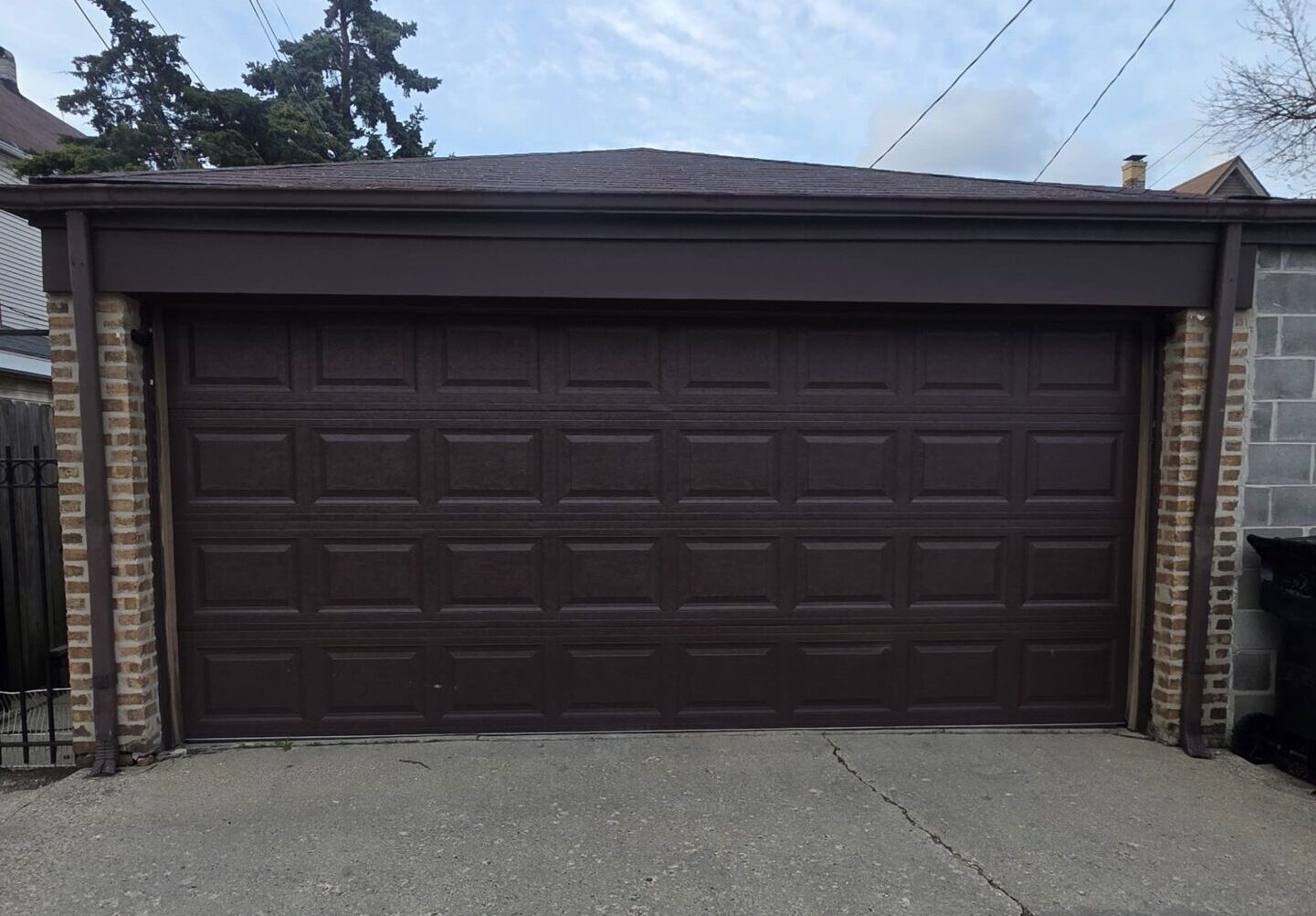 Visit For Signs of Damage, Safety Concerns, and What Homeowners Should Know
Understanding How a Residential Garage Door System Works
Before identifying common problems, it helps to understand the main components of a residential garage door. Although garage doors come in different designs and sizes, most systems use similar mechanical and electrical parts.
The garage door panels form the main structure of the door. Rollers move along metal tracks to guide the door during opening and closing. Hinges connect individual panels, while cables and springs help support and balance the door's weight. An automatic garage door opener provides the power needed to move the door, and safety sensors help prevent it from closing when an obstruction is detected.
All these components must work together correctly. For example, damaged rollers can make the door noisy, while an improperly balanced door can place additional strain on the opener. A broken spring can prevent the door from lifting properly, even if the opener itself is functioning.
Understanding these components makes it easier to recognize when garage door repair is necessary and when a problem requires a professional inspection.
Common Garage Door Problems Chicago Homeowners Experience
Garage doors experience regular wear because of repeated movement, changing temperatures, and exposure to outdoor conditions. Some issues develop gradually, while others happen suddenly. Recognizing the symptoms can help homeowners respond before a minor issue becomes a larger mechanical problem.
1. Garage Door Will Not Open or Close
A garage door that refuses to open or close is one of the most common reasons homeowners seek professional garage door repair. Sometimes the issue is related to the remote control, power supply, opener, or safety sensors. In other situations, a damaged spring, broken cable, or obstruction in the track may prevent normal operation.
Start by checking whether the garage door opener has power and whether the remote control batteries are working. Make sure nothing is blocking the door's path and look for visible sensor misalignment. If the door still does not operate, avoid repeatedly pressing the opener button.
A technician can inspect the complete system, identify the cause, and recommend an appropriate repair. This may involve opener troubleshooting, sensor adjustment, cable replacement, or mechanical repairs.
2. Broken or Worn Garage Door Springs
Garage door springs play an essential role in supporting the weight of the door. Most residential systems use either torsion springs or extension springs. These components store mechanical energy and help the door move smoothly during operation.
Over time, repeated opening and closing can cause springs to weaken. A broken spring may produce a loud snapping sound, leave the door difficult to lift, or cause it to remain partially open.
Garage door spring repair in Chicago should always be handled by a trained professional. Springs are under significant tension, and attempting to remove, adjust, or replace them without the correct equipment and experience can result in serious injuries.
A professional technician can inspect the spring system, determine the appropriate replacement, and check the door's balance before returning it to normal operation.
3. Garage Door Moves Unevenly or Comes Off Track
A garage door should move smoothly along its tracks. If one side appears higher than the other, the door shakes during operation, or the rollers move outside the track, there may be a problem with the track alignment, rollers, cables, or spring system.
Common causes include:
- Bent or damaged garage door tracks.
- Worn or broken rollers.
- Loose or damaged mounting hardware.
- Cable problems affecting door balance.
- Physical damage to the door or track assembly.
An off-track garage door should not be forced back into position. Operating it in this condition can increase damage to the panels and lifting components. A professional garage door technician can inspect the system, identify the underlying issue, and restore proper alignment.
4. Garage Door Makes Grinding, Squeaking, or Rattling Noises
Unusual noises often indicate that a garage door needs maintenance or repair. Squeaking may come from worn rollers or hinges, while grinding sounds can indicate problems with the rollers, tracks, or opener mechanism. Rattling may result from loose hardware or vibrating components.
The type of noise can provide useful information about the possible cause. However, homeowners should avoid touching springs, cables, or other high-tension components while investigating the problem.
A professional inspection can help determine whether the door needs roller replacement, hardware tightening, lubrication of appropriate moving parts, or opener repair.
5. Garage Door Opener Is Not Working Properly
An automatic garage door opener makes daily access easier, but it can experience problems over time. Homeowners may notice that the opener responds inconsistently, operates without moving the door, makes unusual sounds, or stops working completely.
Potential causes include:
- Remote control or keypad issues.
- Electrical or power supply problems.
- Worn opener gears.
- Incorrect travel or force settings.
- Damaged wiring or electronic components.
- Problems with the safety sensors.
Before requesting a repair, check the power connection and replace remote batteries if necessary. If the opener continues to malfunction, a technician can inspect its motor, drive mechanism, wiring, settings, and safety features.
6. Garage Door Safety Sensors Are Misaligned
Modern garage door openers commonly use photoelectric safety sensors near the bottom of the door tracks. These sensors detect objects in the door's path and help prevent accidental contact during closing.
If the sensors become dirty, blocked, or misaligned, the garage door may refuse to close or may reverse shortly after starting to close. Indicator lights on the sensor units can sometimes help identify an alignment or connection issue.
Homeowners can check for visible obstructions and gently clean the sensor lenses. If the problem continues, a professional can inspect the sensor alignment, wiring, and opener system.
7. Damaged Garage Door Cables
Garage door cables work with the spring system to support controlled door movement. Frayed, loose, or broken cables can affect the door's balance and make operation unsafe.
Signs of cable damage may include uneven movement, a door that appears tilted, loose cables near the sides, or a door that suddenly becomes difficult to operate.
Cables are connected to components that operate under tension. Do not attempt to reconnect or replace a damaged cable yourself. Stop using the door and arrange a professional inspection.
8. Garage Door Panels Are Bent or Damaged
Garage door panels can become damaged because of vehicle contact, accidental impact, weather exposure, or general wear. Even a relatively small dent may affect the door's appearance, while more serious damage can interfere with movement and alignment.
Depending on the door's design and the extent of the damage, a technician may recommend repairing or replacing an individual panel. If several panels are damaged or the door structure is compromised, replacing the complete door may be a more practical option.
9. Garage Door Freezes or Gets Stuck During Cold Weather
Chicago winters can create additional challenges for garage door operation. Moisture may freeze around the bottom weather seal, making the door difficult to separate from the ground. Cold temperatures can also affect some moving components and electronic systems.
If the door appears frozen to the floor, avoid repeatedly activating the opener because this may place unnecessary strain on the system. Check for visible ice around the bottom seal and clear the surrounding area carefully. If the door remains stuck, contact a professional rather than forcing it open.
10. Garage Door Closes Partially and Then Reopens
A garage door that begins closing but reverses direction may have a safety sensor issue, an obstruction, incorrect opener settings, or a mechanical problem. The opener's force and travel settings can also affect how the door responds during operation.
Check the door's path for objects and make sure the sensors are clean and properly aligned. If the door continues to reverse without an obvious obstruction, have the opener and door system inspected.
Professional Garage Door Repair Services
Different garage door problems require different repair methods. A professional technician can inspect the system and determine which components need adjustment, repair, or replacement. Common residential garage door services include the following.
Garage Door Spring Replacement
Spring replacement is necessary when a torsion or extension spring becomes damaged or reaches the end of its service life. The correct spring must match the door's weight and design. Professional installation also includes checking the door's balance and overall operation.
Garage Door Opener Repair and Installation
Opener services may include diagnosing motor problems, repairing drive mechanisms, checking electrical connections, adjusting settings, and installing a replacement opener. A technician can help determine whether the existing unit can be repaired or whether a new system is more suitable.
Garage Door Cable and Roller Replacement
Worn rollers can cause noisy or uneven movement, while damaged cables can affect the door's balance. Replacing these components when necessary can help restore smoother operation. Because cables work with the spring system, cable repairs should be performed by trained technicians.
Garage Door Track Repair
Tracks guide the rollers as the garage door opens and closes. Bent, loose, or misaligned tracks can prevent the door from moving correctly. A professional can inspect the track assembly, mounting hardware, and rollers before making the necessary adjustments or repairs.
Garage Door Panel Repair and Replacement
Panel repair may be possible when the damage is limited and the door's structure remains sound. More extensive damage may require replacing one or more panels. The replacement must be compatible with the existing door model, dimensions, and construction.
New Garage Door Installation
When an existing garage door is severely damaged, outdated, or no longer suitable for the property, installing a new door may be the better long-term solution. Homeowners can consider different materials, insulation levels, designs, and operating systems based on their needs.
How Chicago Weather Can Affect Garage Doors
Weather conditions can influence garage door performance throughout the year. Chicago experiences cold winters, changing temperatures, rain, and periods of humidity. These conditions can affect different parts of a garage door system.
During winter, ice may form around the bottom weather seal and prevent the door from opening normally. Snow and moisture can also collect near the entrance, while freezing temperatures may affect the movement of some mechanical components.
During warmer months, temperature changes and humidity can contribute to wear on seals and other materials. Metal components may also expand and contract as temperatures change.
Homeowners can reduce weather-related problems by keeping the garage entrance clear, checking the bottom weatherstripping, inspecting visible hardware, and arranging maintenance when unusual operation begins.
When Should You Call a Professional Garage Door Technician?
Some basic garage door checks can be completed safely by homeowners, but mechanical repairs involving high-tension components require professional knowledge and equipment.
Contact a qualified technician if you notice any of the following conditions:
- A broken or visibly damaged garage door spring.
- Loose, frayed, or broken lifting cables.
- A garage door that has come off its tracks.
- A door that appears unbalanced or hangs unevenly.
- An opener that repeatedly fails or behaves unexpectedly.
- Unusual grinding, snapping, or repeated mechanical noises.
- Damaged panels or hardware affecting door movement.
- A door that will not close and leaves the garage unsecured.
Stop operating the garage door if it appears unstable or has damaged lifting components. Do not attempt to adjust spring tension, reconnect cables, or force the door along its tracks. Professional assessment is the safer way to identify the problem and determine the appropriate repair.
Garage Door Repair vs. Replacement: Which Option Is Better?
Homeowners sometimes need to decide whether repairing an existing garage door is worthwhile or whether replacing the complete system makes more sense. The right choice depends on the door's age, condition, repair history, and the extent of the damage.
| Situation |
Repair May Be Suitable |
Replacement May Be Suitable |
| Minor mechanical issue |
When a limited number of components need attention. |
Usually not necessary if the rest of the door is in good condition. |
| Broken spring |
When the door structure and other components remain serviceable. |
May be considered if the door has other major problems. |
| Damaged panel |
When the damage is limited and a compatible replacement panel is available. |
When several panels or the overall structure are extensively damaged. |
| Repeated breakdowns |
When the cause is identifiable and repairs remain practical. |
When recurring problems make continued repairs impractical. |
| Old or deteriorated door |
When the door still provides reliable operation and only needs limited work. |
When the door has significant deterioration or no longer meets the homeowner's needs. |
A professional inspection can help compare the condition of the existing door with the cost and benefits of installing a replacement. Homeowners should consider the full condition of the system rather than making a decision based on one damaged component.
Garage Door Maintenance Tips for Chicago Homeowners
Regular maintenance can help identify wear before it affects the complete garage door system. Although maintenance does not prevent every possible breakdown, a few basic checks can support reliable operation.
1. Inspect Visible Components
Look at the garage door panels, tracks, rollers, hinges, and visible cables. Check for signs of rust, wear, loose hardware, or physical damage. Do not touch or adjust springs and cables.
2. Keep Tracks and the Door Area Clean
Remove loose debris from around the garage door tracks and entrance. Leaves, dirt, and other objects can interfere with normal movement or obstruct the door's path.
3. Check the Weatherstripping
Inspect the bottom seal and surrounding weatherstripping for cracks, gaps, or deterioration. Damaged seals may allow moisture, cold air, and debris to enter the garage.
4. Listen for Unusual Sounds
Pay attention to new grinding, squeaking, rattling, or snapping sounds during operation. Changes in noise may indicate worn rollers, loose hardware, or other mechanical problems.
5. Test the Safety Features
Garage door safety systems should be checked regularly. Make sure the photoelectric sensors are clean and unobstructed, and follow the opener manufacturer's instructions for testing the automatic reverse system.
If a safety feature does not work correctly, stop using automatic operation until the problem has been inspected.
6. Arrange Professional Maintenance
A professional garage door inspection can identify problems that may not be obvious during a basic visual check. A technician can examine the spring system, cables, rollers, tracks, opener, hardware, and safety features.
Manufacturers such as Amarr and Chamberlain also provide maintenance and safety guidance for their products.
How to Choose a Garage Door Repair Company in Chicago
Choosing a reliable garage door repair company is an important part of maintaining a safe and functional garage door system. Since different repairs require different skills and equipment, homeowners should take time to understand what a service provider offers.
Consider these points when comparing garage door repair companies in Chicago.
Experience with different garage door systems: Look for technicians who understand residential garage doors, spring systems, openers, cables, tracks, and replacement components.
Clear repair explanations: A professional should explain what caused the problem, which components need attention, and why a particular repair is recommended.
Written estimates: Ask for an estimate that identifies the required work, replacement parts, labor, and any additional charges before authorizing a repair.
Safety procedures: Garage door springs, cables, and related hardware require appropriate tools and handling procedures. Make sure the technician understands the safety requirements.
Repair and replacement options: A dependable service provider should explain whether an existing component can be repaired or whether replacement is more appropriate.
Service availability: If your garage door is stuck open, will not close, or has a serious mechanical failure, ask whether the company provides appointments for urgent repairs.
Customer feedback: Read customer reviews to understand other homeowners' experiences with communication, scheduling, workmanship, and pricing.
Taking these steps can help you make a more informed decision when arranging professional garage door service.
Why Timely Garage Door Repairs Matter
Delaying garage door repairs can allow a relatively small problem to affect other parts of the system. For example, worn rollers can increase friction, while an unbalanced door may put additional strain on the opener.
Timely repairs offer several practical benefits.
- Improved safety: Identifying damaged springs, cables, and other components helps reduce the risks associated with a malfunctioning door.
- Reliable operation: Correcting mechanical and electrical problems helps restore normal opening and closing.
- Reduced additional damage: Addressing problems early can prevent unnecessary stress on connected components.
- Better home security: A properly functioning garage door helps protect vehicles, tools, and other belongings stored inside the garage.
- Improved convenience: Homeowners can use their garage without dealing with repeated interruptions or unreliable operation.
- Longer equipment life: Appropriate maintenance and repairs help preserve the condition of the garage door system.
A garage door is a frequently used part of a home, so maintaining its condition is important for everyday convenience and security.
Garage Door Repair Services for Homes in Chicago
Homeowners searching for garage door repair in Chicago, IL often need help with problems that affect the door's safety, movement, and overall performance. Whether the issue involves broken springs, damaged cables, malfunctioning openers, worn rollers, or misaligned tracks, identifying the underlying cause is essential.
Before arranging an appointment, explain the symptoms you have noticed, whether the door is stuck open or closed, and whether the opener is responding. Providing these details can help the service provider understand the issue and determine the appropriate next steps.
Do not attempt to operate a door with broken springs, loose cables, or visible structural damage. Professional inspection is the safer approach when a garage door system is not functioning correctly.
Conclusion
A properly maintained garage door contributes to home security, convenient access, and reliable everyday operation. However, regular use and changing weather conditions can gradually affect its springs, cables, rollers, tracks, panels, and automatic opener.
For homeowners seeking garage door repair in Chicago, IL, recognizing common warning signs is the first step toward addressing problems before they become more complicated. Whether you are dealing with a broken spring, an unresponsive opener, unusual noises, damaged cables, or an off-track door, the right repair approach depends on identifying the actual cause.